KAWASAKI 43095-1965 Front Hose Brake Line Abs Pump Calipers 160560
fits make: Kawasaki.
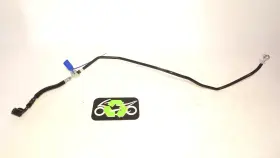
( Manufacturer Part Number: 43095-1965 ), ( Part Type: Line Hose Brake Pump Caliper ), ( Country Of Origin: Japan )
Review KAWASAKI Hose Brake Line Abs Pump Front Calipers Oem
Kawasaki Genuine Parts 43095-1965 Brake Line Hose for Abs Pump Front Calipers (Part Number: 160560)
Description:Introducing the Kawasaki 43095-1965 hose brake line, a genuine OEM replacement part specifically designed for Abs Pump Front Calipers. This high-quality hose is engineered to meet the exacting standards of Kawasaki Motorcycles, ensuring optimal performance and reliability.
The 43095-1965 hose brake line is a crucial component in your motorcycle's braking system. It is responsible for delivering hydraulic fluid from the master cylinder to the Abs pump and calipers, enabling the ABS (Anti-Lock Braking System) to function properly. This system helps prevent wheel lock-up during hard braking, thus improving traction and stability.
Constructed from premium materials, the Kawasaki hose brake line is both robust and resilient. It boasts a reinforced design with a layer of protective covering to prevent damage during installation and operation. The hose also features a braided stainless-steel reinforcement layer to resist kinking and bulging, ensuring consistent fluid flow and maintaining the integrity of the braking system.
Installing the Kawasaki 43095-1965 hose brake line is a straightforward process, thanks to its OEM design and easy-to-follow instructions. By using a genuine Kawasaki part, you can trust that the replacement hose will fit perfectly, allowing you to enjoy the peace of mind that comes with knowing your motorcycle's braking system is in top condition.
In summary, the Kawasaki 43095-1965 hose brake line is a vital replacement part for your Abs Pump Front Calipers. Its robust construction, precise fitment, and OEM quality make it the ideal choice for maintaining the optimal performance and reliability of your Kawasaki motorcycle's braking system.
Kawasaki 160560 Front Caliper ABS Pump Brake Line Hose: A Detailed Analysis
The Kawasaki 160560 Front Caliper ABS Pump Brake Line Hose (43095-1965) is a crucial component of the Absolute Braking System (ABS) in select Kawasaki motorcycles. Let's delve into the pros and cons of investing in this part to help you make an informed decision.
Pros:1. Enhanced safety: The ABS system helps prevent wheel lock-up during hard braking, ensuring better control and stability in various road conditions. This is especially important for riders in areas with heavy rainfall or uneven surfaces.
2. OEM (Original Equipment Manufacturer) part: This hose is specifically designed and manufactured for Kawasaki motorcycles, ensuring a perfect fit and optimal performance.
3. Durability: Kawasaki is known for producing high-quality parts, and this hose is no exception. It's designed to withstand the rigors of motorcycle use and harsh environmental conditions.
Cons:1. Cost: Replacing a brake line hose is not an inexpensive endeavor. The OEM part may cost more than aftermarket alternatives, but the peace of mind and performance benefits it offers might be worth the investment for some riders.
2. Installation complexity: Installing the new hose might be a more involved process than replacing a regular brake line. It may require specific tools and expertise to ensure proper installation and bleeding of the ABS system.
3. Potential for leaks: Brake lines are subjected to high pressure, and any damage or wear could result in leaks. Regular inspections and maintenance are essential to prevent potential safety issues.
Conclusion:The Kawasaki 160560 Front Caliper ABS Pump Brake Line Hose (43095-1965) is a critical investment for motorcycle riders who value safety, performance, and OEM quality. Although it comes with a higher cost and installation complexity compared to aftermarket alternatives, the potential benefits in terms of improved braking performance and enhanced safety make it a worthwhile consideration.
Recommendation:If you own a Kawasaki motorcycle that utilizes this ABS system and are in need of a new brake line hose, it's recommended to invest in the OEM Kawasaki part (43095-1965) to ensure a perfect fit, optimal performance, and peace of mind. However, before making a purchase, be sure to consult your vehicle's service manual, gather the necessary tools, and consider the installation complexity and potential costs involved.
Details:
part #: 430951965 prices
- $55.79-$208.06
specifications scoofilters:
- for makes: Kawasaki
- mpn: 43095-1965
- part type: Line Hose Brake Pump Caliper
- country of origin: Japan
payments scoofilters:
- money order
- wallet: Paypal
- credit card: Discover
- other
shipping scoofilters:
- class: Standard
- service: UPS Ground
- type: Fixed
- carrier: UPS
- transit: 3-7 Days
- cost: $9.99
returns scoofilters:
- policy: No Returns
seller scoofilters:
- # reviews: 3090
- rating: 99.0%
- city: Howell, Michigan
offer scoofilters:
- best offers: True
- sold: 0
- options: Ship-to-home
- quantity: 1
- availability: In Stock
- started: May 5, 2026
general scoofilters:
- condition: Used
- Motorcycle Scooter Parts Accessories > Air Intake Fuel Delivery > Air Filters
Kawasaki 43095-1965 Is Similar To:
- Kawasaki 11038-0030 2011 2012 Ex250 250 Ninja Oem Air Filter Cleaner Box (29.6% similar) Shipping cost for all of us have gone up. Came off of a running motorcycle. Part: air box oem, location: 2012 EX250 ninja, notes: good used part showing normal wear. There is no filter cover. Shipping outside of the continental USA is extra...(May 17th, 2024)
- Kawasaki 11013-0736 2019 Kx85 Brake Pedal Pivot Kx250 Kx125 Kx65 Kx100 Bolt (38.6% similar) Fitment list: 2014 KX100 KX100FEF - air cleaner KX85 KX85CEF 2015 KX100FFF KX85CFF 2016 KX100FGF KX85CGF 2017 KX100FHF KX85CHF 2018 KX100FJF KX85CJF 2019 KX100FKF KX85CKF 2020 KX100FLF KX85CLF 2021 KX100FMFNN KX85CMFNN 2022 KX112 KX112ANFNN KX85CNFNN 2023...(May 21st, 2024)
- Kawasaki 14073-1281 Vulcan Vn750 Vn 750 86-02 03 04 05 06 Oem Rear Front Carb Air Box Duct (38.8% similar) Part #: kawasaki 14073-1281 for sale...(May 22nd, 2024)
- Kawasaki 11010-1056 1981 Kz750 Ltd 385 Airbox Air Intake Filter Housing Box Oem 81 (37.9% similar) Part #: kawasaki 11010-1056 for sale...(May 29th, 2024)
- Kawasaki 13280-1378 New 2024 Kx450 Oem Air Filter Cage Screen Kx 450 (33.3% similar) Pulled from a new never ridden 2024 kawasaki KX450. New 2024 kawasaki KX450 air filter with cage/screen and frame...(May 29th, 2024)
- Kawasaki Khia178 2018 2023 Ninja 400 Air Box Intake Filter Oem (37.3% similar) I always carefully package and ship out immediately. Item in photos is the exact pair you are purchasing...(May 30th, 2024)
- Kawasaki 13091-1785 1992 92-93 Kx250 Kx 250 Oem Air Filter Element Base Cage Guide Intake Wing Nut (27.4% similar) Good used air filter cage with bolt...(June 3rd, 2024)
- Kawasaki 11013-0812 2023 2024 Ninja Zx4rr Zx400 Abs Krt Edition Oem Airbox Air Intake (35.9% similar) 2023 2024 kawasaki ninja ZX4RR ZX400 abs Kurt edition/ oem air box air intake, this air filter is in very good condition and shows normal signs of wear. Removed from: 2023 kawasaki ninja ZX4RR ZX400 abs Kurt edition with miles, please review all pictures to assess the condition of item...(June 4th, 2024)
- Kawasaki 11010-033 Oem F3 F4 Intake Air Filter Box With Chrome Side Cover X2 And Hardware Vtg (20.9% similar) Nos new old stock is new never used but may be as the bike and have shelf wear. Most go out in one or same day. Parts may need cleaning, polishing, paint, etc. Oem original equipment manufacturer is not new, but the original factory part. No air filter and may be missing a washer or...(June 6th, 2024)
- Kawasaki 11012-070 Kz900 Original Oem Air Box Cap 1976 Ltd (32.8% similar) Part #: kawasaki 11012-070 for sale...(June 6th, 2024)
- K n Engineering Ka-6009 K n Air Filter ka-6009 For Kawasaki Ninja Zx-6r ninja Zx-6r Abs (19% similar) Less than half of new price. Looks to be used, but clean ready installed...(July 3rd, 2024)